
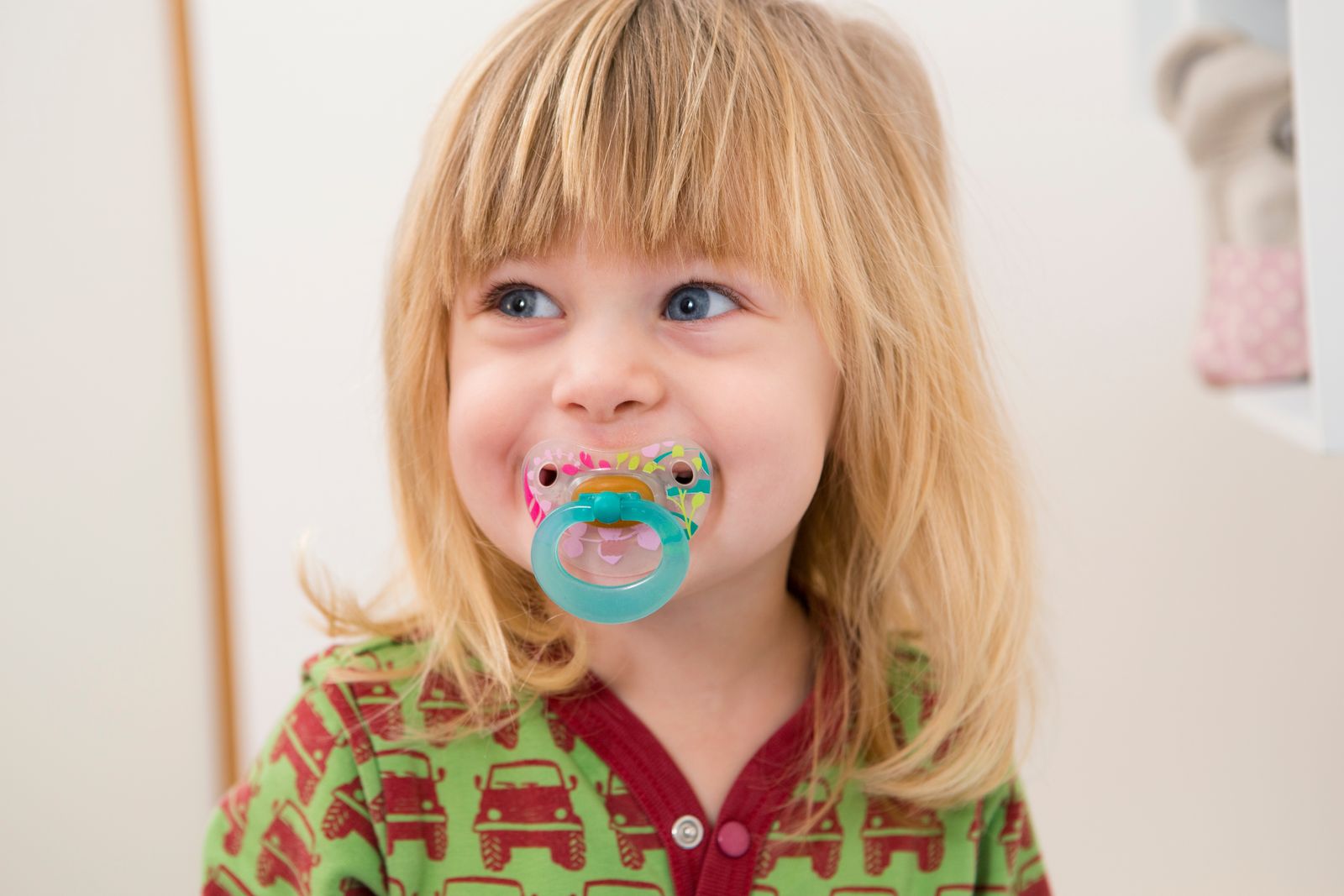
A thumb or pacifier can feel like a lifesaver for your child, but it often brings up a lot of worry for many parents. Is this habit changing your child’s teeth, bite, or speech? If you’re wondering what’s normal and what actually affects child dental development, we’ve got you covered. Let’s walk through when it’s time to book a visit with a trusted children’s dentist in Calgary.
Table of Contents | Thumb Sucking, Pacifiers, And Teeth: A Guide From A Children’s Dentist In Calgary
- Key Takeaways
- When Should Calgary Parents Be Concerned About Thumb Sucking And Pacifiers?
- Why Babies And Toddlers Suck Thumbs, Fingers, And Pacifiers
- How Thumb Sucking And Pacifiers Affect Child Dental Development
- Pacifier Use Versus Thumb Sucking: Which Habit Is Harder To Stop?
- Age Guide For Thumb Sucking, Pacifiers, And Teeth
- Signs Your Child Should See A Children’s Dentist In Calgary
- What A Visit To A Pediatric Dentist In Calgary Looks Like
- How To Stop Thumb Sucking Without Turning Bedtime Into A Battle
- What Not To Do When Breaking The Habit
- When Early Orthodontic Guidance Enters The Picture
- Conclusion: When To Get Help With Sucking Habits
- FAQs About Thumb Sucking, Pacifiers, And Teeth
Key Takeaways
- Age limits: Sucking is a normal reflex for infants, but habits continuing past age three can alter jaw growth and how teeth line up.
- Bite changes: Long-term habits can create an open bite (front teeth don’t touch), overjet (front teeth stick out), or a narrow palate.
- Thumb vs. pacifier: Thumbs are harder to stop since they are always attached, while pacifiers carry risks if used all day or coated in sweets.
- Breaking the habit: Positive reinforcement works best. Avoid scolding or punishment, and focus on replacing the habit with a comfort object like a toy or blanket.
- When to visit: Book a dental checkup by age one, or sooner if you notice speech changes, snoring, or gaps when your child bites down.
When Should Calgary Parents Be Concerned About Thumb Sucking And Pacifiers?
Parents should be concerned when thumb sucking or pacifier use continues past age three, happens with strong pressure, or changes the way the teeth meet. At that point, a dental check gives you a clear plan.
Short-term sucking in babies and toddlers is common. However, prolonged thumb sucking and pacifier use puts steady force on growing teeth, gums, jaws, and the roof of the mouth.
Why Babies And Toddlers Suck Thumbs, Fingers, And Pacifiers
Sucking is one of the first skills babies use. It feeds them, calms them, and gives them a sense of safety. Children use sucking when tired, shy, bored, or upset.
The habit itself isn’t the problem at first. How long they suck, how hard they suck, and their age are what actually change the risk.
The American Academy of Pediatric Dentistry notes that non-nutritive sucking habits can affect the teeth and jaws when they last too long or happen with enough force.
How Thumb Sucking And Pacifiers Affect Child Dental Development
Growing mouths are soft and change fast. Like wet clay, steady pressure shapes them. Thumbs and pacifiers press on teeth, lips, cheeks, and the palate (the roof of the mouth). When pressure repeats for years, it changes how the upper and lower teeth line up, often leading to misalignment.
Open Bite
An open bite means the front teeth don’t touch when the back teeth bite together. You see a small gap at the front. A child with an open bite can have trouble biting into foods like sandwiches, apples, or pizza crust.
Overjet
Overjet means the upper front teeth sit too far ahead of the lower front teeth. Parents sometimes call these “buck teeth.” A thumb creates more risk because it presses up and forward behind the top teeth, which may cause the teeth to shift outward. Overjet also leaves front teeth more exposed during falls.
Narrow Palate
A long thumb or pacifier habit can shape the roof of the mouth into a higher, narrower arch. This can crowd teeth and change the way the bite fits. Some kids with a narrow palate also snore or breathe through the mouth.
Speech And Tongue Position
Teeth guide the tongue during sounds. If the front teeth stay apart, a child can push the tongue forward during words. Parents sometimes notice a lisp or messy “s” sounds.
Pacifier Use Versus Thumb Sucking: Which Habit Is Harder To Stop?
Pacifiers have one clear advantage: parents can remove them. Thumbs are always there.
A pacifier also has size, shape, and wear concerns. Never dip a pacifier in honey, syrup, or any other sugary substance, as this leads to tooth decay.
Thumb sucking, however, can last longer because it feels automatic. A child can suck their thumb while reading, watching a show, or falling asleep without even noticing.
The best habit plan depends on your child’s age, mood, sleep needs, and bite. That’s where a pediatric dentist in Calgary can give support.
Age Guide For Thumb Sucking, Pacifiers, And Teeth
Birth To Age Two
Sucking is normal for feeding and comfort. Begin setting small limits around age one, keeping pacifiers for sleep or high-stress moments instead of letting them stay in all day. The Canadian Dental Association recommends a first dental visit by age one.
Age Two To Three
This is a good window to reduce pacifier use and thumb sucking. Start with daytime limits. Then move to naps and bedtime once your child feels ready. Use praise, not pressure. A sticker chart or a special cup at bedtime can replace the habit.
After Age Three
After age three, we want a closer look. Baby teeth, jaw shape, and bite patterns are still changing. A habit past age three deserves a dental check, even if the teeth look fine from the outside.
Age Five And Older
Permanent teeth start to enter the picture around this stage. A strong sucking habit can affect the position of adult front teeth and impact long-term oral health. At this age, kids understand goals better and can take part in the plan.
Signs Your Child Should See A Children’s Dentist In Calgary
Beyond the clinical terms, you might notice daily functional signs at home. Book a visit if you observe:
- A thumb callus, red skin, or sore finger
- Pacifier use for many hours each day
- Snoring or lips resting open while watching TV or sleeping
- Trouble biting into thin foods (for example, if your child bites a cracker and leaves a U-shaped gap)
- A lisp or the tongue pushing between the teeth when talking
- Front teeth that don’t meet when your child bites down
- Bullying, teasing, or stress tied to the habit
What A Visit To A Pediatric Dentist In Calgary Looks Like
A good dental visit feels calm, with no scolding or blame. At Calgary Smiles, we emphasize preventative care and dental education, treating habit-breaking as a skill to build together.
During the visit, we evaluate the entire oral system, including airway space and jaw development, rather than just looking at the teeth. We also ask when the habit happens (bedtime, car rides, stress) because knowing the trigger gives us the plan.
The American Dental Association explains that thumb sucking after permanent teeth begin to emerge can affect tooth alignment and mouth growth. We use this visit to track that growth and determine the right timing for any future orthodontic screening.
How To Stop Thumb Sucking Without Turning Bedtime Into A Battle
Start by watching the pattern for one week to see the real need behind it: tired, worried, bored, or seeking comfort.
Then use a plan like this:
- Name the goal: “We’re helping your teeth grow strong.”
- Pick one zone: Start with no thumb or pacifier during screen time.
- Use a replacement: Offer a soft toy, blanket, or water bottle.
- Praise effort: Notice small wins right away and use a sticker chart.
- Protect sleep: Change daytime habits first, then move to bedtime.
Try saying something like, “Your mouth is growing, so we’re going to give it more room.” It keeps the message positive and easy to understand.
What Not To Do When Breaking The Habit
Fear can make parents try fast fixes that create more stress than progress.
Avoid teasing, shaming, threats, or punishment. Don’t compare siblings. Stress fuels comfort habits. Skip bitter products unless a dentist guides you, as they can turn bedtime into a fight.
When Early Orthodontic Guidance Enters The Picture
Not every child with a thumb habit needs braces. Many bite changes improve on their own after the habit ends, especially in younger children.
However, if a narrow palate, crossbite, or lasting open bite develops, it deserves follow-up. While we focus on preventative pediatric dentistry at Calgary Smiles, our team closely tracks your child’s jaw and airway growth. When the time is right, we’ll provide a trusted referral for specialized orthodontic care. This is a big part of child dental development: watching the whole system grow.
Conclusion: When To Get Help With Sucking Habits
While pacifiers and thumb sucking start as normal comfort tools, they can lead to dental complications when they last too long or happen with force. Not every child needs braces, and many bite changes improve on their own if the habit ends early. However, if a narrow palate, crossbite, or lasting open bite develops, it deserves follow-up.
If you’re unsure about your child’s bite or habit, you don’t have to guess. Reach out to Dr. Batra and the team at Calgary Smiles Children’s Dental Specialists.
When you visit our clinic, you can expect:
- Growth tracking: We closely monitor your child’s jaw and airway growth as a big part of child dental development, providing trusted orthodontic referrals when the time is right.
- A kid-focused environment: A welcoming waiting room with a Lego station, a little arcade, and iPads during treatments.
- Comfortable care: Preventative care, special needs dentistry, and calming sedation options like nitrous oxide.
- Parent convenience: Direct billing and participation in the CDCP to make care easy for your family.
Book a visit today, and let’s build a gentle, preventative plan that fits your child and your home life.
Explore other guides:
- Mouthguards for Kids in Calgary: When Does Your Child Need One for Sports?
- Back-to-School Dental Checkups: Start the School Year With a Healthy Smile
- A Parent’s Guide to Handling a Chipped or Knocked-Out Tooth After Hours
- What’s That Spot? A Parent’s Guide to Discoloration on Kids’ Teeth
- Dental Sealants: The Invisible Shield That Protects Your Child’s Teeth
FAQs About Thumb Sucking, Pacifiers, And Teeth
At What Age Should My Child Stop Using A Pacifier?
Most children should start cutting back by age two and stop around age three. A dental visit gives clearer guidance if your child uses it for many hours each day or already has bite changes.
Is Thumb Sucking Worse Than A Pacifier?
Thumb sucking is harder to stop because the thumb is always there. Pacifiers are easier to remove in stages. Both can affect teeth when the habit lasts too long or uses strong pressure.
Will My Child’s Teeth Fix Themselves After The Habit Stops?
Many early bite changes improve after the habit ends, mainly in young children. Lasting open bite, overjet, or palate changes need a dentist’s check and growth tracking.
Should I Wake My Child To Stop Thumb Sucking At Night?
No. Waking a child creates stress and poor sleep. Start with daytime limits, praise, and comfort replacements to help your child. Ask a dentist for a bedtime plan if the habit continues.