
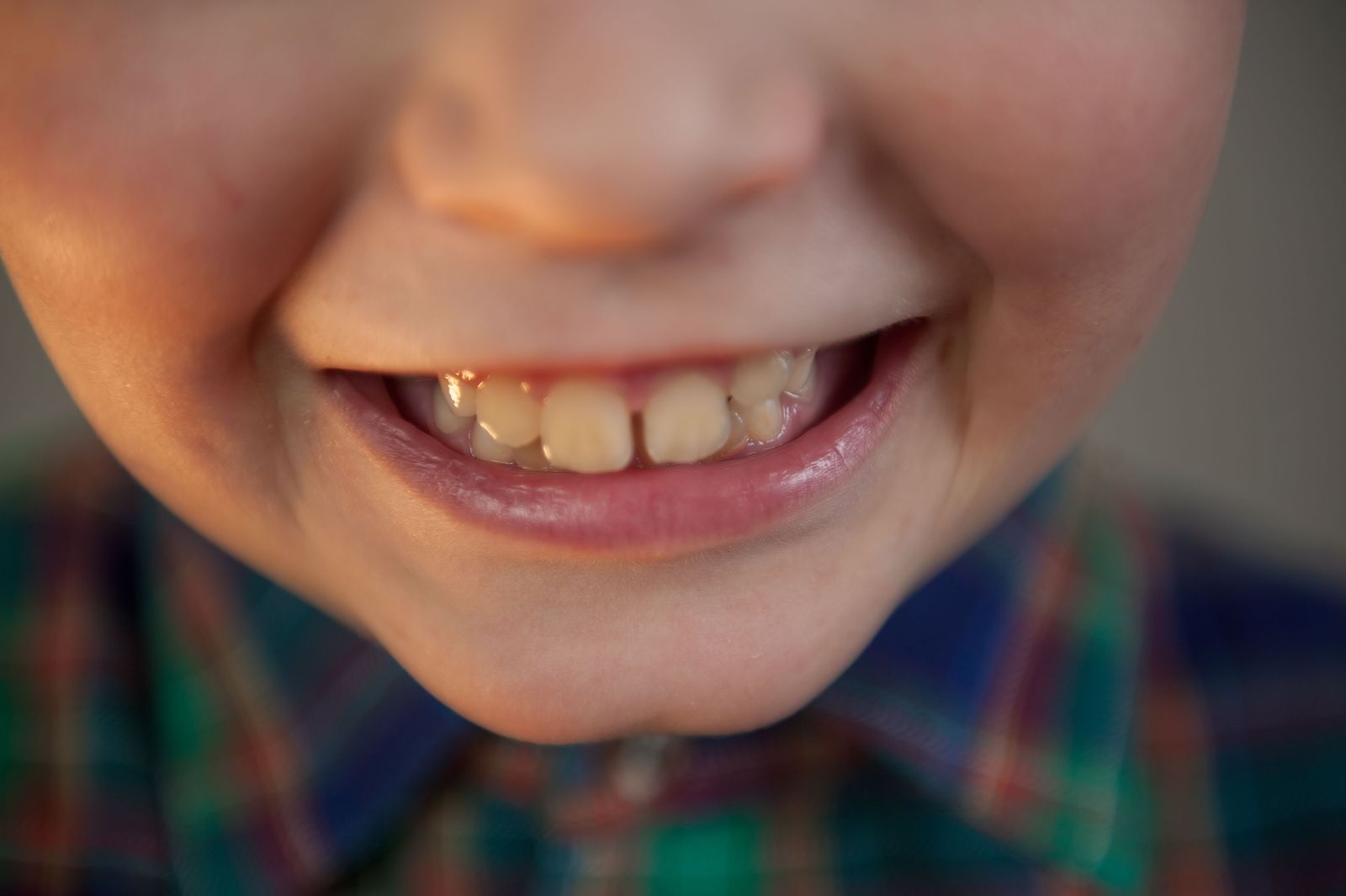
A tiny spot on your child’s tooth can feel huge when you first notice it. White, yellow, brown, black, or gray marks all tell a different story.
What Do Spots On Kids’ Teeth Mean?
Spots on kids’ teeth mean something has changed on the tooth surface, inside the tooth, or around the enamel. Some stains come from food, plaque, or iron drops. Other marks point to cavities, past tooth injury, or enamel trouble.
Quick answer: If the spot brushes away, it’s often surface stain or plaque. If it stays, grows, hurts, or looks dark, book a dental visit.
- White spots can signal weak enamel or early tooth decay.
- Yellow stains often come from plaque buildup, diet, or thin enamel.
- Brown or black spots need a closer look, since cavities and tartar can look dark.
- Gray teeth often follow a bump, fall, or injury to the tooth.
Key Takeaways For Parents
- Colour matters, but texture matters more. A rough, sticky, or pitted spot needs attention.
- Baby teeth deserve care. They guide speech, chewing, and space for adult teeth.
- At-home brushing helps surface stains, but it won’t fix decay or tooth injury.
- A pediatric dentist Calgary team can tell the difference between harmless stains and problems that need treatment.
Common Colours Of Tooth Discoloration In Children
Think of tooth colour like a warning light on a car dashboard. The colour gives a clue, but it doesn’t give the full diagnosis.
A child dentist Calgary visit gives you the full picture. Still, the colour guide below helps you decide how soon to act.
White Spots On Kids’ Teeth
White chalky spots can show early enamel weakness. These spots often sit near the gumline, where plaque collects.
A white spot that looks dull, chalky, or rough is not “just a stain.” It can be the first stage of a cavity. At this stage, fluoride and better brushing can protect the tooth before a hole forms.
White marks can also come from too much fluoride during tooth growth, enamel defects, or poor brushing around braces. A kids orthodontist Calgary team checks these areas during orthodontic visits, because brackets and wires trap plaque like lint on Velcro.
Yellow Stains On Children’s Teeth
Yellow teeth can come from plaque, tartar, food colour, or enamel that’s thin. Baby teeth are usually whiter than adult teeth, so new adult teeth can look more yellow beside baby teeth.
That colour difference is normal. Adult teeth have more dentin, the yellow layer under enamel. If the tooth looks smooth and your child has no pain, the shade alone is not a red flag.
Yellow buildup near the gums is different. Plaque left on teeth hardens into tartar, and brushing at home won’t remove it once it hardens.
Brown Or Black Spots On Kids’ Teeth
Brown and black marks get parents’ attention fast. Fair enough. These spots can come from cavities, dark tartar, food stain, iron supplements, or stain-producing mouth bacteria.
Iron drops can leave dark marks on baby teeth. We see this in toddlers who take liquid iron. The stain sits on the surface, but it still needs proper cleaning.
Black spots inside grooves on molars deserve a dental check. The grooves on back teeth are tiny valleys, and cavities like to hide there.
Gray Or Blue Teeth After A Fall
A gray baby tooth often means the tooth had trauma. Maybe your child fell at the playground, hit a table, or bumped a sibling during a race down the hallway.
The colour can change when blood flow inside the tooth changes. Some teeth settle down. Others develop infection. A dental exam checks the gums, root area, and bite.
Call a kids dental clinic Calgary team if the tooth turns gray, becomes loose, causes pain, or creates a pimple-like bump on the gum.
Why A Toddler Dentist Takes Discoloration Seriously
Toddler teeth are small, but dental problems move fast. Enamel on baby teeth is thinner than enamel on adult teeth.
A spot on a toddler’s tooth can turn into a cavity faster than many parents expect. That’s one reason the American Academy of Pediatric Dentistry recommends a child’s first dental visit by age one, or within six months of the first tooth coming in.1
A toddler dentist checks more than teeth. We look at brushing habits, bottle use, pacifier habits, snacking, fluoride needs, and growth patterns.
Here are common toddler stain triggers:
- Milk or juice in a bottle at bedtime
- Sticky snacks, dried fruit, crackers, and gummies
- Iron drops or liquid vitamins
- Missed brushing near the gumline
- Falls that injure front teeth
One real-world example helps. A parent sees a brown line near the top front teeth and thinks it’s chocolate milk stain. During an exam, we find early decay from bedtime bottles. Catching it early changes the plan. It also saves stress.
What Parents Can Check At Home Before Calling
A calm look at the tooth gives useful clues. Use good light. Lift the lip. Check the gumline, biting surface, and spaces between teeth.
Do not scrape the tooth with metal tools. That can hurt enamel or gums.
Try this quick home check:
- Brush the spot for two full minutes with a soft toothbrush.
- Use a rice-sized amount of fluoride toothpaste for children under age three.
- Use a pea-sized amount for children ages three to six.
- Floss if the spot sits between teeth.
- Look again after rinsing and drying the tooth with clean gauze.
If the spot disappears, it was likely food or loose plaque. If it stays, take a photo and book a visit.
The American Dental Association supports brushing twice a day with fluoride toothpaste and gives age-based toothpaste guidance for children. A dental team can confirm the right amount for your child.
When To Book A Kids Dental Calgary Appointment
Some spots can wait for the next checkup. Others need prompt care.
Book a kids dental Calgary visit if the spot is dark, rough, painful, growing, or linked to a fall. Pain is not the only sign of trouble. Many cavities start without pain.
Call sooner if you notice:
- A brown, black, or gray spot that doesn’t brush off
- A chalky white patch near the gums
- Tooth pain, chewing pain, or cold sensitivity
- Swelling, bleeding, or a pimple on the gum
- A loose tooth after an injury
- Stains around braces, bands, or retainers
- Bad breath that stays after brushing
The Centers for Disease Control and Prevention lists tooth decay as one of the most common chronic diseases of childhood. That sounds heavy, but here’s the good news. Early care works.
How A Pediatric Dentist Calgary Team Diagnoses Tooth Spots
A dental visit for tooth discoloration is simple and child-friendly. We start with a chat. When did the spot appear? Did your child fall? Does the tooth hurt? What drinks and snacks show up each day?
Then we check the tooth surface, gums, bite, and nearby teeth. Small dental mirrors and bright light help us see grooves and gumline areas.
Some children need dental X-rays. X-rays show decay between teeth and changes near roots after trauma. We use them only when they help answer the question in front of us.
Treatment depends on the cause:
- Surface stains get polished during a dental cleaning.
- Early white spots get fluoride care and home routine changes.
- Cavities need fillings or other child-safe treatment.
- Trauma needs follow-up checks, especially if the tooth changes colour.
- Deep grooves on molars benefit from sealants when teeth are ready.
The goal is not to scare your child. The goal is to keep care calm, clear, and small.
How Food, Drinks, And Habits Stain Children’s Teeth
Food colour loves tiny tooth grooves. Think of pasta sauce on a white shirt. The sooner you clean it, the less it sets.
Common stain-makers include berries, tomato sauce, curry, soy sauce, cola, tea, and sports drinks. Children don’t need to avoid every colourful food. They need a steady routine.
Good habits make a big difference:
- Serve water after colourful meals.
- Keep juice for mealtimes, not sipping all day.
- Brush morning and night.
- Floss teeth that touch.
- Choose cheese, plain yogurt, veggies, and nuts when age-safe.
Snacking frequency matters as much as sugar amount. Teeth need breaks between snacks. Constant grazing keeps acid on enamel for longer.
Where A Kids Orthodontist Calgary Check Fits In
Braces, expanders, and retainers create more hiding spots for plaque. White marks around brackets can form when plaque sits too long.
A kids orthodontist Calgary provider watches tooth position and bite growth. A dental team watches enamel, gums, and cavity risk. Children benefit when both teams share the same goal.
Straight teeth are easier to clean, but teeth need protection during the straightening process. Brushing around brackets takes patience, coaching, and the right brush angle.
If your child already wears braces and you see white squares, yellow buildup, or swollen gums, schedule a dental cleaning and ask for brushing tips made for orthodontic care.
Prevention Tips From A Child Dentist Calgary Team
Prevention doesn’t need a perfect routine. It needs a repeatable one.
Start with the basics:
- Brush twice each day with fluoride toothpaste.
- Help children brush until they have the hand skill to do it well.
- Floss once teeth touch.
- Book regular dental checkups.
- Use a mouthguard for sports.
- Ask about sealants for adult molars.
- Keep bedtime bottles filled with water only.
Parents sometimes ask when kids can brush alone. A good test is shoelaces. If a child can’t tie shoes well, brushing still needs help.
Fluoride also matters. The Canadian Dental Association states fluoride protects teeth by making enamel stronger against acid attacks.4 Your dental team can guide toothpaste amount, rinses, and professional fluoride based on age and cavity risk.
How Calgary Smiles Supports Families
Calgary Smiles cares for families who want clear answers and gentle care. We know kids bring big feelings to dental visits. Parents do too.
Our team explains what we see in plain language. We show parents the spot, talk through the cause, and build a plan that fits the child’s age.
If you’re searching for a kids dental clinic Calgary families can feel good about, start with a visit focused on comfort and trust. Small steps count. A friendly exam today can prevent bigger treatment later.
Conclusion: Spots Tell A Story, And Early Care Gives It A Better Ending
Tooth discoloration in children can come from stain, plaque, enamel changes, decay, or injury. Colour gives clues, but a dental exam gives answers.
White spots, dark marks, gray teeth, pain, swelling, and changes after a fall all deserve attention. Home brushing helps with surface stain, but it can’t treat cavities or trauma.
If you’re looking for a kids dentist Calgary parents trust, Calgary Smiles is here to help your family move from worry to a clear plan. Book a visit with our friendly team, and we’ll help your child smile with confidence.
FAQs About Discoloration On Kids’ Teeth
Are White Spots On My Child’s Teeth Cavities?
White spots can be early cavities, enamel weakness, or fluoride marks. A chalky white spot near the gumline needs a dental check because early decay can still be stopped before a hole forms.
Can Iron Drops Stain Baby Teeth?
Yes. Liquid iron can leave dark surface stains on baby teeth. A dental cleaning can remove many of these stains, and your dental team can share tips to reduce staining during iron use.
Why Is My Child’s Tooth Turning Gray?
A gray tooth often follows trauma. The tooth needs an exam, especially if your child has pain, swelling, looseness, or a gum bump near the tooth.
When Should My Toddler See A Dentist For Tooth Spots?
Book a toddler dentist visit if a spot doesn’t brush off, looks brown or black, feels rough, grows, or appears after a fall. Children should also have their first dental visit by age one.