
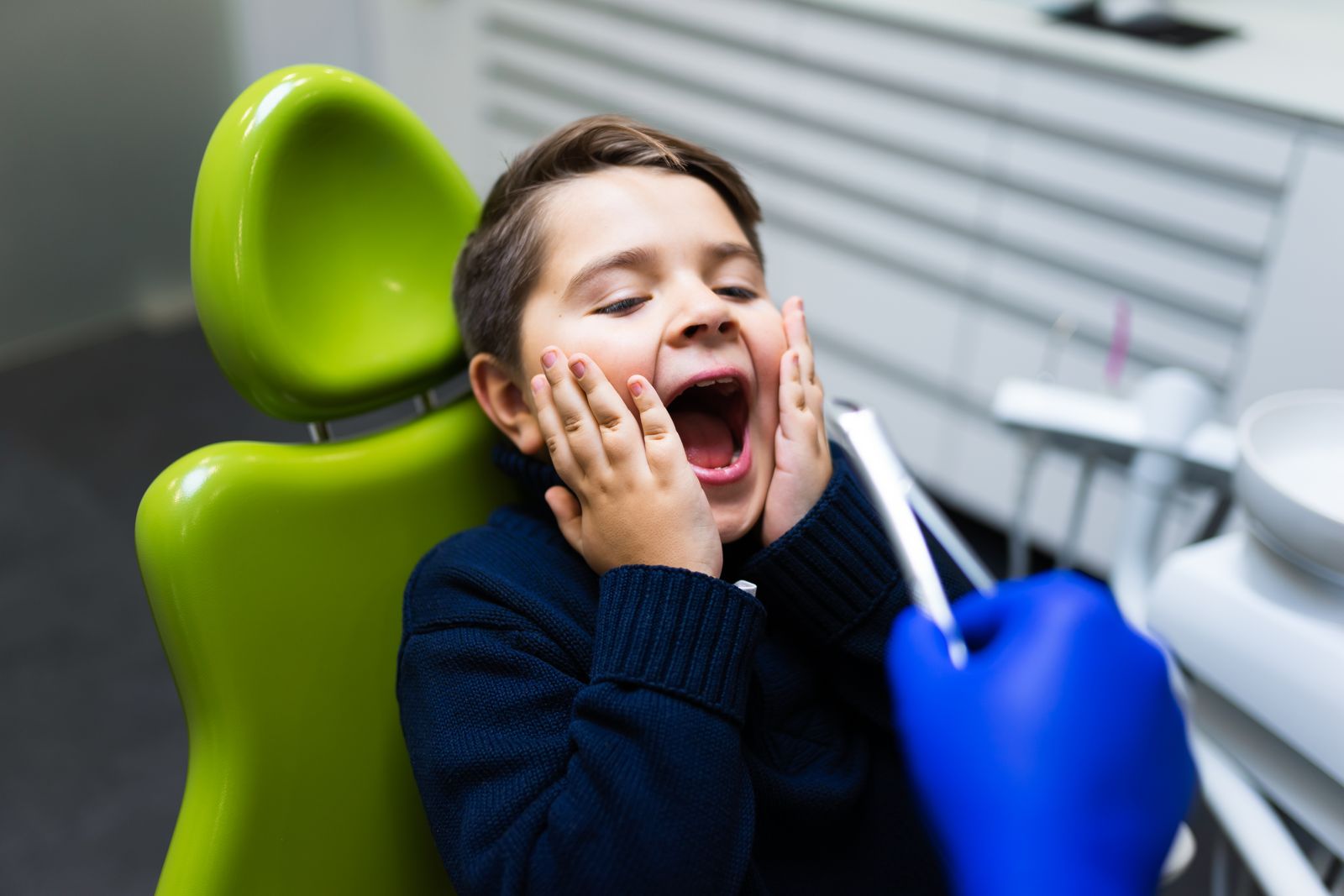
That scratchy sound coming from your child’s room at night shouldn’t just be shrugged off. If you’re hearing them grinding their teeth at night, you’re right to wonder what it actually means for their teeth.
Here’s a look at when bruxism is just a normal part of growing up, when it requires action, and how a children’s dentist in Calgary can check your child’s teeth and bite for hidden triggers.
Table of Contents | Child Grinding Teeth At Night: When Is Bruxism A Concern?
- Key Takeaways
- What Bruxism Means In Kids
- Why Night Grinding Needs A Closer Look
- Signs Bruxism Is More Than A Noisy Habit
- What A Pediatric Dentist In Calgary Checks During An Exam
- What Parents Can Do At Home
- How Is Tooth Grinding Managed?
- When Bruxism Links To Sleep Breathing
- Choose Expert Care At Calgary Smiles
- FAQs About Tooth Grinding In Children
Key Takeaways
- When to seek help: Short bursts of grinding are normal during growth spurts, but ongoing grinding that causes jaw pain, morning headaches, or visible tooth wear requires a dental evaluation.
- Baby teeth are highly vulnerable: Because primary teeth have thinner enamel and larger nerve chambers, grinding can quickly expose the nerve and cause rapid, painful decay.
- Look for hidden triggers: Beyond teething, nighttime clenching is frequently linked to airway issues (like enlarged tonsils), misaligned bites, or nervous system overload from screens and sugar.
- Avoid store-bought guards: Over-the-counter night guards are not recommended for growing kids because they can permanently alter the bite or restrict natural jaw development.
- Treatment targets the root cause: A pediatric dentist will protect worn enamel with fluoride or white fillings, monitor growth, and refer you to a specialist if sleep apnea or severe bite issues are suspected.
What Bruxism Means In Kids
Bruxism is the clinical term for grinding or clenching teeth. A child may do it in their sleep and wake up completely unaware.
In children, this habit usually surfaces during major growth stages. Baby teeth loosen, adult teeth come in, and the bite shifts. Short bursts are normal. However, a child grinding teeth at night becomes a real concern when it leads to pain, tooth wear, broken fillings, jaw soreness, or headaches.
The Hidden Impact On Baby Teeth
Baby teeth aren’t just miniature adult teeth. Their anatomy is entirely different. The protective outer layer of enamel on a primary tooth is significantly thinner than on a permanent tooth. Beneath that thin enamel lies the dentin, which is softer and much more sensitive.
When a child grinds their teeth, they wear through that thin enamel at an alarming rate. Once the enamel is gone, the softer dentin is exposed to bacteria and acid, leading to rapid decay. Furthermore, baby teeth have much larger nerve chambers relative to their overall size. This means that as the tooth wears down from grinding, the tooth damage reaches the nerve much faster, causing sharp pain and requiring complex restorative work.
Why Night Grinding Needs A Closer Look
Sleep bruxism in children happens when the brain and jaw muscles stay active during rest. Finding the exact reason matters because the fix depends entirely on the root cause.
The Sleep Cycle Connection
To understand why this happens, you have to look at how kids sleep. Sleep isn’t a flat line. It involves cycling through light sleep, deep sleep, and REM (rapid eye movement) sleep.
Bruxism typically occurs during micro-arousals. These are brief moments when the brain shifts from deep sleep into a lighter stage. If a child’s nervous system is overstimulated, or if they’re struggling to breathe, these micro-arousals happen more frequently. The brain essentially wakes up just enough to fire off signals to the jaw muscles, causing them to clamp down and grind.
Common Triggers
- New teeth and bite changes: A shifting bite can easily trigger grinding.
- Stress and anxiety: Busy weeks or routine changes often show up as tension in the jaw.
- Airway concerns: Snoring or mouth breathing is frequently linked to grinding.
- Tooth pain: A sore tooth or high filling changes how a child bites.
- Nervous system overload: Kids process a massive amount of sensory input daily. Fast-paced video games, tablets, and bright screens keep their nervous systems in a state of high alert. When a child goes straight from a screen to a pillow, their brain doesn’t have time to downshift. That lingering adrenaline often translates into physical tension, primarily in the jaw.
- Daytime oral habits: Chewing on pencils, biting nails, or constantly chewing gum trains the jaw muscles to remain hyperactive. Muscles that are overworked during the day are far more likely to spasm and clench during the night.
Signs Bruxism Is More Than A Noisy Habit
Book a dental visit when the grinding pairs with physical changes or daytime fatigue.
Watch For These Dental Signs
- Flat or chipped tooth edges
- Teeth that look shorter
- Sensitivity to cold foods
- Cracked fillings or crowns
- Cheek biting marks
Watch For These Comfort Signs
- Morning jaw pain
- Headaches after waking
- Ear pain with no infection
- Jaw popping or clicking
What A Pediatric Dentist In Calgary Checks During An Exam
A pediatric dentist in Calgary looks for distinct patterns. Worn spots show exactly how the jaw moves during sleep. Catching it early protects the enamel before wear reaches the deeper layers. This is crucial because enamel doesn’t grow back.
Tooth Wear And Enamel Health
The dentist checks biting edges and fillings. Smooth, flat spots point to repeated grinding. If the wear is mild, the plan is usually just keeping an eye on it. If the wear is deep, the dentist might recommend restorative treatments like white fillings or crowns to protect the damaged teeth.
Bite And Jaw Growth
Children’s bites change fast as adult teeth erupt. A full exam reveals if tooth position or crowding is playing a role in the grinding.
Orthodontic Red Flags And Jaw Posture
Grinding can also be a glaring symptom of a misaligned bite. If the upper and lower teeth don’t fit together smoothly, the jaw muscles will instinctively grind at night trying to find a comfortable resting position. If crowding, a crossbite, or a narrow palate is forcing the jaw into an unnatural posture, a pediatric dentist will spot these red flags during a routine exam.
At a visit, expect simple questions like:
- When did the grinding start?
- Does your child wake with headaches?
- Does your child complain about sore teeth?
What Parents Can Do At Home
At-home care can help reduce jaw tension. Keep a quick log for a week before your dental visit.
- Set a calm bedtime routine.
- Turn off screens 30 minutes before bed.
- Skip hard chewing before sleep (ice, hard candy).
- Use a warm cloth on sore jaw muscles.
- Record grinding sounds if you notice them.
- Monitor diet and hydration. Diet plays a massive role in muscle tension. Hidden caffeine in chocolate, certain sodas, and flavored waters can keep a child’s nervous system wired long after bedtime. Sugar spikes late in the day have a similar effect. Focus on hydration instead. Dehydrated muscles are prone to cramping, and the jaw muscles are no exception. Offering a magnesium-rich snack, like a small handful of almonds or a banana, can naturally relax the muscles before sleep.
How Is Tooth Grinding Managed?
Because a child’s mouth is constantly growing, management in pediatric dentistry focuses heavily on monitoring and early intervention. We avoid bulky over-the-counter night guards because they can permanently alter the bite or even pose choking risks.
A pediatric dentist can recommend:
- Monitoring: Watching mild grinding closely as teeth develop.
- Preventative Care: Fluoride applications to keep remaining enamel strong.
- Restorative Care: White fillings or crowns if grinding has already caused damage.
- Referrals: Guiding you to a physician or orthodontist if sleep apnea or severe alignment issues are suspected.
When Bruxism Links To Sleep Breathing
When the airway narrows during sleep, the body works harder to breathe, and grinding often follows. Look out for snoring, open-mouth sleep, or gasping. These signs of sleep disorders require a team approach. It usually starts with a dental screening to spot the physical clues on the teeth and in the mouth.
The Tonsil And Adenoid Connection
In many young children, tonsils and adenoids become enlarged due to allergies, genetics, or frequent colds. When tonsils swell, they physically block the airway during sleep. The brain detects a drop in oxygen and panics. To force the airway open, the brain signals the lower jaw to push forward. That forward thrust creates the intense grinding sound. If a pediatric dentist spots signs of a narrow airway, they won’t just look at the teeth. They will recommend an evaluation with an Ear, Nose, and Throat (ENT) specialist or a sleep physician to address the root cause of the breathing issue.
Choose Expert Care At Calgary Smiles
If the grinding persists and symptoms show up, book a visit with Calgary Smiles. As SE Calgary’s dedicated pediatric dental clinic, Dr. Abhishek Batra and our specialist-trained team provide expert, gentle care in a modern, child-friendly environment.
Whether your child needs preventative monitoring, white fillings to restore worn enamel, or sedation options like laughing gas for dental anxiety, we’re fully equipped to help. Count on us assess your child’s smile and protect their growing teeth. Book an appointment today.
Take a look at other guides:
- Thumb Sucking, Pacifiers, and Teeth: When Should Calgary Parents Be Concerned?
- Mouthguards for Kids in Calgary: When Does Your Child Need One for Sports?
- Back-to-School Dental Checkups: Start the School Year With a Healthy Smile
- How Often Should a Child See a Pediatric Dentist? A Calgary Parent’s Guide
- A Parent’s Guide to Handling a Chipped or Knocked-Out Tooth After Hours
FAQs About Tooth Grinding In Children
Is It Normal For Kids To Grind Their Teeth?
Yes, some children grind during growth. It only needs a dental check when it causes pain, wear, or headaches.
Will My Child Grow Out Of Bruxism?
Many outgrow it as their adult teeth come in. Ongoing grinding needs care because enamel loss can get worse.
Can Stress Cause Teeth Grinding In Children?
Yes. Stress and routine changes can show up as clenching. A calm bedtime routine helps.
Should I Wake My Child When I Hear Grinding?
No. Waking interrupts sleep and doesn’t treat the cause. Note the symptoms and bring them to a dental visit.
Does Teething Cause Grinding?
Yes. Infants and toddlers often grind their teeth as a natural response to the discomfort of new teeth breaking through the gums. The pressure of clenching actually acts as a type of massage for their sore gums. This specific type of grinding usually stops once the new tooth fully erupts.
Can Diet Make Teeth Grinding Worse?
Absolutely. High sugar intake and hidden caffeine in chocolate or sodas stimulate the nervous system. This makes it harder for a child to fall into a deep sleep, increasing the chances of nighttime clenching and restless sleep cycles.