
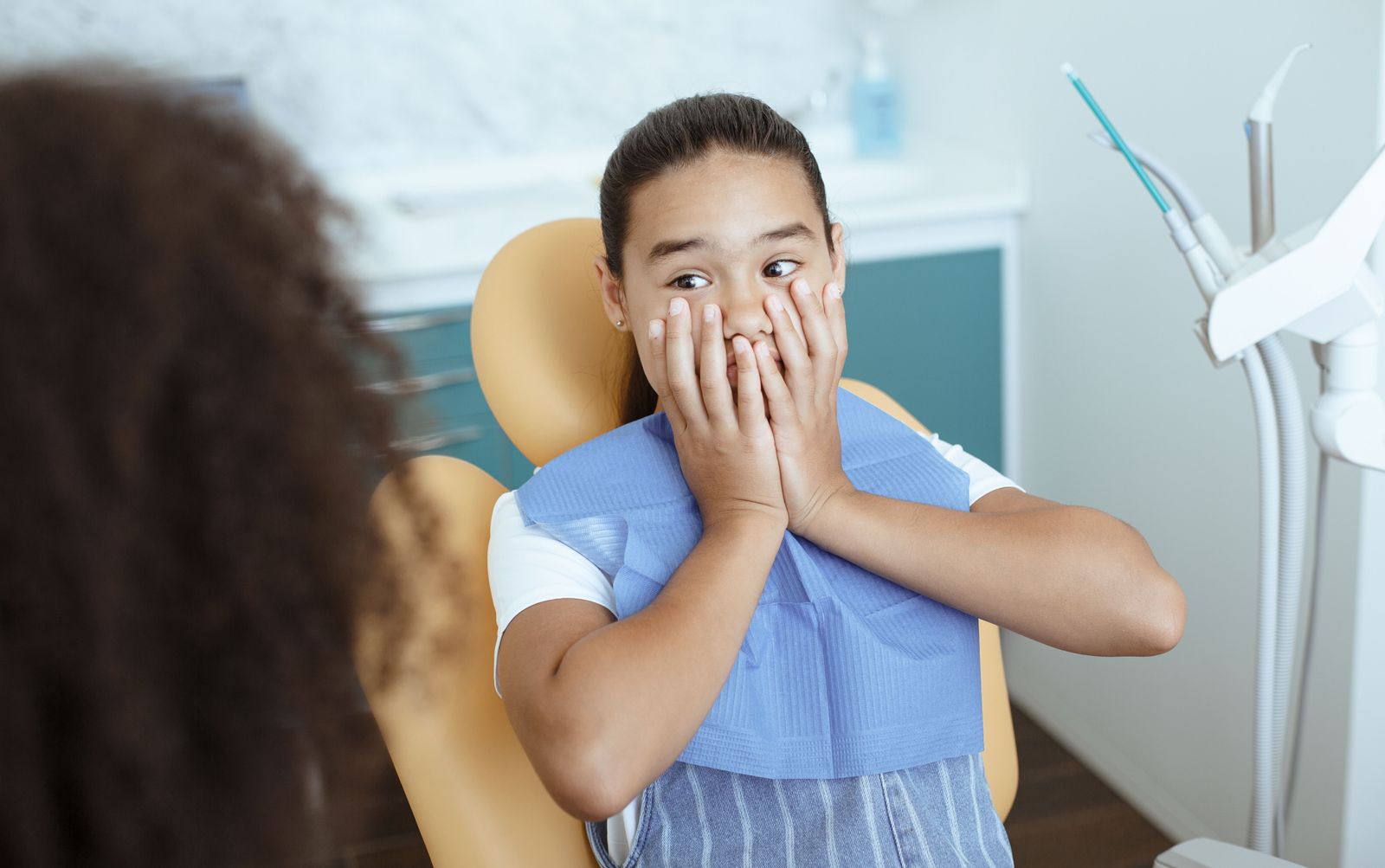
A child’s fear of the dentist can turn a normal appointment into a morning full of tears, bargaining, and tummy aches.
How Can You Ease Dental Anxiety Before Seeing A Dentist Calgary Families Trust?
You ease dental anxiety by making the visit feel familiar before your child walks through the door. Use calm words, practice at home, give small choices, and keep your own tone steady.The goal isn’t to make fear disappear. The goal is to help your child feel safe enough to try.
Key Takeaways
- Talk about the visit in a calm, simple way. Skip scary words like shot, drill, hurt, and needle.
- Practice with a toothbrush, mirror, stuffed animal, and timer before the appointment.
- Give your child control through small choices, like what shirt to wear or what toy to bring.
- Choose a dental team with experience in children’s care, gentle language, and patient pacing.
Why Children Feel Scared Before A Dental Visit
Fear makes sense when something feels new. A dental office has bright lights, new sounds, gloves, masks, a chair that moves, and tools with strange names.
Kids also pick up on adult stress. If a parent had a hard dental visit years ago, a child can sense the tension before anyone says a word.
Some children fear pain. Others fear not knowing what comes next. Many toddlers fear being touched by someone new, even when the visit is gentle.
Dental anxiety is not misbehaviour. It’s a stress response. Once we treat it that way, the whole visit feels less like a battle and more like a team effort.
What To Say When Your Child Says “But I’m Scared!”
Start by naming the feeling. This tells your child you heard them.
Try this: “I know. New places can feel scary. We’re going together, and the dentist will count your teeth.”
Keep it short. Long talks can make the visit feel bigger than it is.
We also suggest avoiding phrases like “It won’t hurt” or “Don’t be scared.” Those words put the idea of pain and fear front and centre.
Use clear, friendly words instead:
- Say “tooth counter” instead of explorer.
- Say “tooth camera” instead of X-ray.
- Say “sleepy juice” only if your dental team uses that term for freezing.
- Say “water sprayer” instead of suction or air-water syringe.
- Say “clean your teeth” instead of scrape.
Good words act like a night-light. They don’t change the room, but they make it feel safer.
Practice At Home Before Visiting A Kids Dentist Calgary Parents Trust
Practice turns the unknown into something your child has seen before. Keep it playful and short.
Set up a pretend dental visit with a stuffed animal. Let your child be the dentist first. They can count the teddy bear’s teeth, shine a flashlight, and give a big “all done.”
Then switch roles. Count your child’s teeth with a toothbrush or clean finger. Stop after ten seconds if they need a break. Praise the effort, not the result.
Use this simple home routine for three to five days before the visit:
- Read a short book about going to the dentist.
- Practice opening wide like a lion for five seconds.
- Count teeth with a mirror.
- Let your child hold a toothbrush while you brush.
- End with a calm phrase, like “You’re learning how dental visits work.”
Skip surprise visits. Kids do better when they know where they’re going and why.
Toddler Dentist Visits Need Extra Warm-Up
A toddler dentist visit focuses on trust, comfort, and early tooth care. Toddlers have short attention spans, so the visit stays simple.
The Canadian Dental Association recommends a first dental visit within six months of the first tooth or by age one. You can read their guidance here: Canadian Dental Association, Your Child’s First Visit.
For toddlers, practice sitting on your lap while they lean back for a quick tooth count. This feels close to a knee-to-knee exam, a common setup for young children.
For little ones, success can mean sitting in the chair, opening once, or waving at the dentist. That still counts.
Choose A Pediatric Dentist Calgary Children Feel Safe With
A pediatric dentist Calgary families choose for anxious children uses patience as part of care. The team explains each step, shows the tool, and then does the task.
This is called tell-show-do. It’s a common child dental approach supported by the American Academy of Pediatric Dentistry in its behaviour guidance resources: AAPD Behaviour Guidance For The Pediatric Dental Patient.
A child-friendly team also watches body language. Tight hands, a stiff jaw, tears, silence, and sudden silliness can all signal stress.
Parents should feel welcome too. A strong team explains what’s happening, gives you time to ask questions, and respects your child’s pace.
Plan The Visit At A Kids Dental Clinic Calgary Kids Can Enjoy
A good visit starts before you leave home. Pick a time of day when your child has energy. For many families, that means morning.
Feed your child a light meal before the appointment unless the dental team gives different instructions. Hunger makes stress louder.
Bring one comfort item. A small stuffed animal, blanket, or fidget toy gives nervous hands something to hold.
Arrive with enough time to check in without rushing. Rushing can turn a small worry into a full meltdown.
A calm parent is the anchor. Your child borrows your nervous system before they build their own confidence.
At a kids dental clinic Calgary families trust, the space, words, and pace should support your child from the first hello.
Use Small Choices To Build Brave Moments
Children fear feeling trapped. Small choices give them a sense of control without handing them the whole appointment.
Offer two choices, not ten.
- “Do you want to wear the blue shirt or green shirt?”
- “Do you want to bring the bear or the dinosaur?”
- “Do you want to sit on my lap or sit in the chair first?”
- “Do you want to open like a lion or like a crocodile?”
Avoid choices about going. Don’t ask, “Do you want to go to the dentist?” The appointment already has a purpose.
Try this instead: “We’re going to help your teeth stay strong. You can choose the toy for the car.”
When Your Child Needs More Support From A Child Dentist Calgary Team
Some children need more time, and that’s okay. A child dentist Calgary team with experience in anxiety can adjust the pace and create a step-by-step plan.
Extra support is helpful when your child has had a painful past visit, strong gagging, sensory needs, autism, ADHD, medical anxiety, or fear of being touched.
Tell the clinic before the appointment. Share what helps at home, what triggers panic, and what words your child understands.
For older children, dental fear can show up before braces talks too. A kids orthodontist Calgary consultation feels less stressful when the team explains photos, scans, bite checks, and next steps in plain language.
No child needs to “tough it out.” Dental courage grows through safe practice.
What Parents Should Avoid Before The Appointment
Parents mean well. Still, a few common habits can raise fear.
Avoid sharing your own hard dental stories. Your child doesn’t need to hear about a root canal from 15 years ago on the way to a cleaning.
Avoid bribes with high stakes. “If you don’t cry, you get a big toy” adds pressure. Use praise after the visit instead.
Avoid threats. “If you don’t brush, the dentist will pull your teeth” makes the dental team seem scary.
Avoid too much detail. Kids don’t need a full tour of dental equipment before they arrive. They need simple facts and calm support.
A Parent Checklist For The Night Before And Morning Of The Visit
Use this checklist when the appointment gets close.
- Read one short dental story.
- Practice opening wide for five seconds.
- Pack a comfort item.
- Choose clothes before bed.
- Use calm words in the morning.
- Leave early enough to avoid rushing.
- Praise effort after the visit.
Keep the message steady: “We take care of teeth, and we do hard things together.”
Conclusion: Your Child Can Learn To Feel Safe At The Dentist
Dental anxiety is common, but it doesn’t have to control the visit. Calm words, home practice, small choices, and the right dental team make a real difference.
If you’re looking for kids dental Calgary care with a gentle approach, Calgary Smiles is ready to support your family. Our team welcomes nervous kids, toddlers, first visits, and parents who want a kinder path forward.
Book a visit with Calgary Smiles today, and let’s help your child build confidence one brave step at a time.
FAQs About Children’s Dental Anxiety
What Should I Do If My Child Cries Before The Dentist?
Stay calm and name the feeling. Say, “You’re scared, and I’m here with you.” Keep the plan steady. Bring a comfort item and tell the dental team before you arrive.
Should I Tell My Child About The Appointment Ahead Of Time?
Yes. Tell young kids one or two days before the visit. Tell older kids a bit earlier. Keep the message short, calm, and clear.
What Words Should I Avoid Before A Dental Visit?
Avoid hurt, shot, needle, drill, pull, and pain. Use child-friendly words like tooth counter, tooth camera, water sprayer, and tooth cleaner.
Is A First Dental Visit Important If My Child Has No Tooth Pain?
Yes. Early visits build trust and help the dentist spot small issues before they grow. The Canadian Dental Association recommends a first visit by age one or within six months of the first tooth.