New teeth arrive, baby teeth loosen, permanent molars show up, and brushing habits somehow change along the way.
So how often does the dentist need to be part of all this?
For many children, the answer is about every six months, but that schedule isn’t one-size-fits-all. Cavity risk, enamel health, brushing habits, dental development, and individual health needs can all change how often a child should be seen.
If you’re wondering how often to book a pediatric dentist in Calgary, this guide breaks it down by age, explains when six-month visits make sense, and covers the signs that mean it’s worth booking sooner.
How Often Should a Child See a Pediatric Dentist?
Many children benefit from checkups about every six months, starting by age one or within six months of the first tooth. Your child’s dentist may recommend a different schedule based on their oral-health risk and individual needs.
Some children may need visits every three or four months. That can include kids with cavities, weak enamel, dry mouth, special health needs, or trouble brushing well.
Book your child’s first dental visit by age one. After that, your child’s dentist will recommend a checkup schedule based on their individual needs and oral-health risk.
Regular visits also give parents a chance to ask about brushing, diet, tooth eruption, habits, anxiety, and changes they notice at home before these concerns become harder to manage as your child grows each year.
Why the First Dental Visit Should Happen by Age One
Even a first tooth plays an important role. It helps your child chew, speak, and hold space for adult teeth.
The Canadian Dental Association says babies should see a dentist within six months of the first tooth or by age one. The American Academy of Pediatric Dentistry gives the same guidance and calls this the start of a “dental home.”
The first visit is less about treatment and more about trust, prevention, and parent coaching. We look at tooth growth, gum health, feeding habits, thumb sucking, pacifier use, and brushing. It’s a gentle check with clear home-care guidance.
What Happens at a Child’s Dental Checkup?
A good visit with a kids dentist in Calgary is calm, child-friendly, and paced to your child.
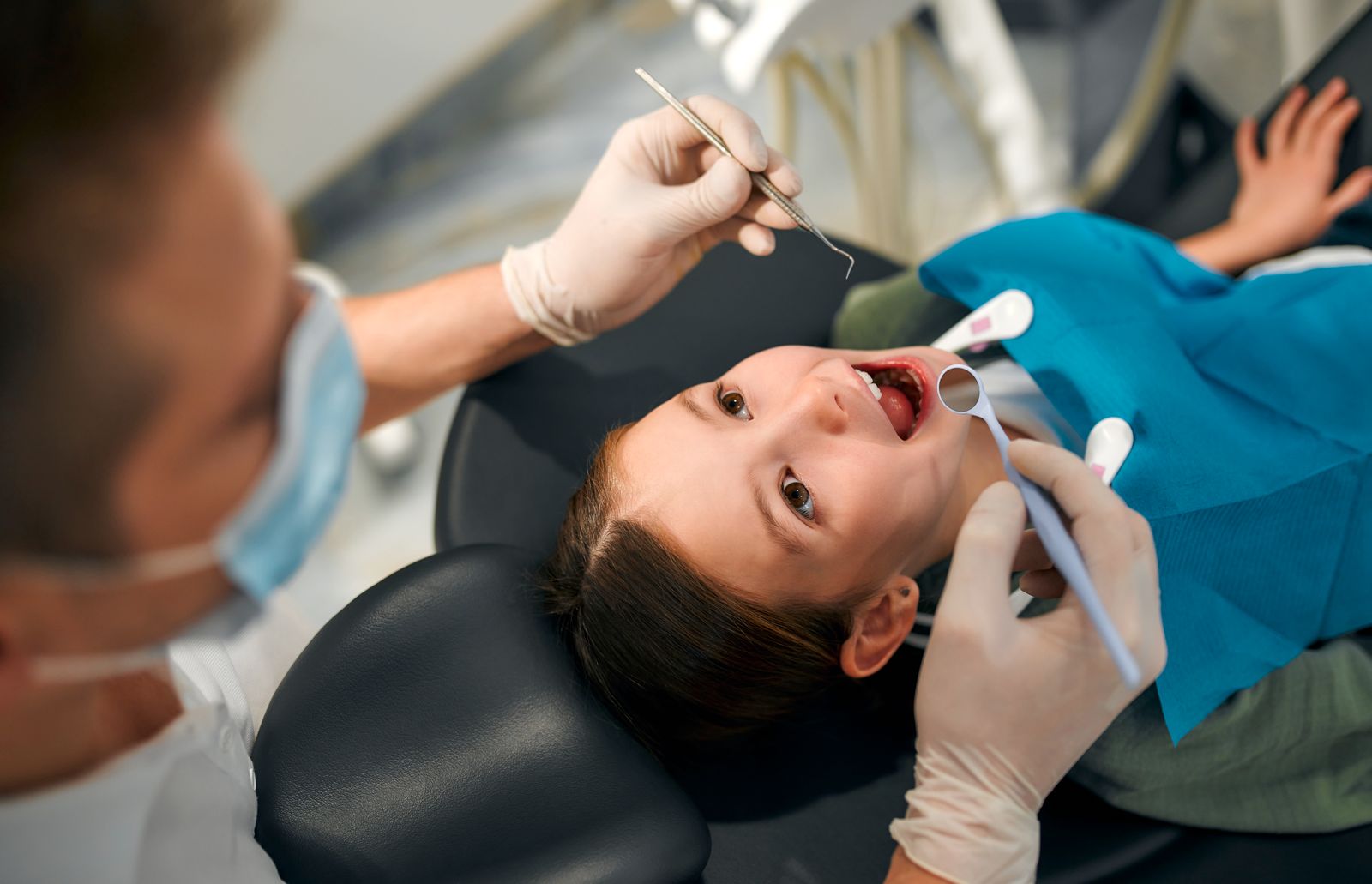
For a baby or toddler, the visit can happen with your child sitting on your lap. For older kids, the dentist checks the teeth, gums, bite, and jaw growth.
A regular child dental visit can include:
- A gentle exam of teeth and gums
- A check for early tooth decay
- A bite and jaw growth review
- A gentle professional cleaning, when needed
- Fluoride advice or fluoride treatment
- Brushing and flossing tips
- Diet and snack guidance
- A talk about habits, such as thumb sucking or grinding
X-rays aren’t automatic at every visit. A dentist recommends them when they provide useful information, such as checking between teeth or watching adult teeth form.
Why Six-Month Visits Work for Many Children
For kids, six months brings changes in teeth, diet, brushing habits, and cavity risk.
Dental decay can start before pain appears, so regular visits catch problems early. Routine visits help young children become familiar with the chair, light, mirror, and sounds.
When Your Child Needs Dental Visits More Than Twice a Year
Some children need more support and a closer watch.
A dentist may recommend more frequent visits when a child has:
- Past cavities or current tooth decay
- White spots on teeth, a sign of early enamel change
- Crowded teeth, where brushing is harder
- Special health needs
- Dry mouth from medicine or mouth breathing
- A high-sugar diet or frequent snacking
- Weak enamel or deep grooves in molars
- Trouble with daily brushing and flossing
For children at higher risk, a three-month or four-month schedule may help the dental team monitor concerns early and provide added prevention support.
Age-by-Age Guide to Children’s Dental Visits
Babies and Toddlers, Ages One to Three
The goal is comfort, prevention, and habit building. The dentist checks tooth eruption, gums, early decay, and feeding habits.
This is the time to discuss bottles, breastfeeding at night, sippy cups, pacifiers, thumb sucking, and how much toothpaste to use. Use a rice-sized smear of fluoride toothpaste for children under age three, unless your dental team gives different advice.
Preschoolers, Ages Three to Five
Preschoolers love independence, but they still need help brushing. Visits focus on cavities between teeth, bite growth, and brushing skill. The dentist also checks habits such as thumb sucking, mouth breathing, and grinding.
Use a pea-sized amount of fluoride toothpaste once your child can spit well. Parents should still brush or do a careful “finish brush” each day.
School-Age Kids, Ages Six to 12
Baby teeth fall out, adult teeth come in, and the first permanent molars arrive around age six. Those molars sit far back and have deep grooves. Sealants can protect them from food and plaque. A children’s dentist Calgary provider can tell you if sealants suit your child’s needs.
Ask your dental team how to protect your child’s teeth during hockey, basketball, soccer, lacrosse, martial arts, and other contact sports.
Teens, Ages 13 to 17
Teens have packed schedules and changing diets. Visits focus on gum health, wisdom tooth development, cavities, enamel wear, mouthguards, and daily habits.
Energy drinks, frequent snacking, and missed brushing can harm the mouth. Sometimes, a direct, kind talk from a dentist can land better than a parent reminder.
Signs Your Child Should See a Dentist Sooner
Don’t wait for the next checkup if something feels off. Kids don’t always describe dental pain well. They may avoid food, chew on one side, or act cranky at bedtime.
Book a visit sooner if you notice:
- Tooth pain or sensitivity
- Swelling in the gums, face, or jaw
- A chipped, cracked, or knocked-out tooth
- White, brown, or black spots on teeth
- Bleeding gums during brushing
- Bad breath that does not improve with brushing
- Jaw pain, clicking, or trouble chewing
Pain, swelling, and dental injury need fast care. Calgary Smiles provides children’s emergency dental care for urgent toothaches, dental injuries, and knocked-out permanent teeth. Go to the nearest emergency room if your child has severe facial swelling that spreads toward the eye or neck, such as swelling from a serious dental infection; difficulty breathing or swallowing; loss of consciousness after a fall, sports injury, or blow to the face; a suspected jaw fracture after significant trauma; or bleeding from the mouth that doesn’t stop after firm pressure.
How to Prepare Your Child for a Dental Visit
Keep the message simple and calm.
Say, “The dentist will count your teeth and help keep them strong.” That works better than a long speech about treatment.
Try these steps before the visit:
- Read a short book about going to the dentist.
- Play dentist at home with a toothbrush and mirror.
- Book the visit when your child is fed and rested.
- Bring a comfort item, such as a small toy.
- Use calm words, such as count, clean, and check.
- Praise brave choices, even small ones.
Try to avoid saying, “It won’t hurt.” Kids hear that word. Say, “The dentist will be gentle and explain what happens next.”
How Parents Can Keep Teeth Healthy Between Visits
Home care has the biggest day-to-day impact. Two minutes of brushing, twice a day, makes the biggest difference. Add floss once teeth touch. Kids need help with brushing until they have the hand skill to do it well.
A few home habits go a long way:
- Brush morning and bedtime with fluoride toothpaste.
- Floss teeth that touch each other.
- Serve water between meals.
- Keep sweet drinks for rare treats.
- Choose lower-sugar snacks and drinks.
- Avoid sending a child to bed with milk, juice, or formula in a bottle.
- Use a mouthguard for sports.
Pediatric Dentist in Calgary: Build a Dental Routine Your Child Can Trust
Many children benefit from checkups about every six months, starting by age one or within six months of the first tooth. Your child’s dentist may recommend a different schedule based on their oral-health risk and individual needs.
At Calgary Smiles Children’s Dental Specialists in East Hills, we provide gentle care for infants, children, and teens in a child-friendly setting.
Visits can include exams, cleanings, digital X-rays when needed, fluoride, sealants, and restorative treatment such as fillings and crowns. The clinic also offers emergency dental care, individualized special-needs dentistry, and nitrous oxide or general anesthesia when appropriate. Book a visit with our children’s dentist in Calgary today and help them build a healthy, confident smile.
FAQs About Pediatric Dental Care in Calgary
Do I Need a Referral to See a Pediatric Dentist in Calgary?
Calgary Smiles welcomes new patients, and parents can book an appointment online or by phone. If another healthcare provider has referred your child, bring any referral information with you.
Does Calgary Smiles Accept Dental Insurance for Children?
Yes. Calgary Smiles works with most major dental insurance providers. Coverage varies by plan, so it’s a good idea to contact the office before your child’s appointment to confirm your specific coverage and any out-of-pocket costs.
What Should I Bring to My Child’s First Dental Appointment?
Bring a complete list of your child’s current medications and share any relevant medical, sensory, anxiety, or communication needs before the visit. Calgary Smiles can use that information to prepare the right support for your child.