
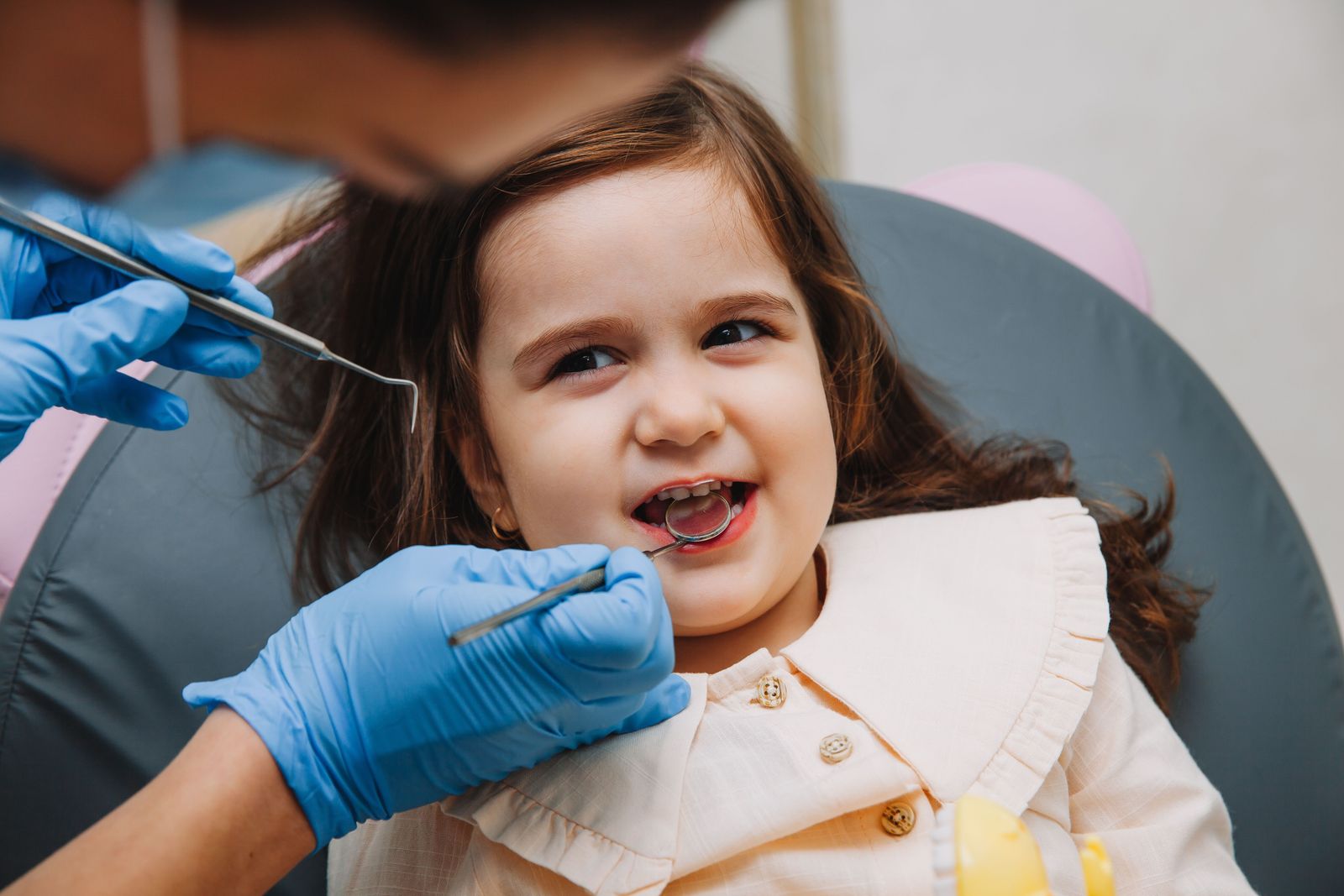
A tiny groove in a back tooth can trap food like a pocket in a winter coat. A toothbrush can miss it, even when your child brushes with care.
Dental sealants solve that problem. This guide explains how sealants work, when kids need them, what the visit feels like, and how Calgary Smiles supports families looking for a dentist Calgary parents can trust for gentle preventive care.
Key Takeaways
- Dental sealants form a thin shield over molars and premolars to block food, plaque, and bacteria.
- The process is fast, painless, and does not need drilling or freezing.
- Sealants work best for children with deep grooves, new adult molars, or a higher cavity risk.
- Sealants do not replace brushing, flossing, fluoride, and regular visits with a kids dentist Calgary families rely on.
What Are Dental Sealants For Kids?
Dental sealants are thin protective coatings placed on the chewing surfaces of back teeth. They act like a raincoat for molars, keeping food and germs out of tiny grooves.
Back teeth do a lot of chewing. They also have pits and fissures, the small lines and dips on top of the tooth. Some grooves are so narrow that toothbrush bristles do not reach the bottom.
A sealant covers those grooves with a smooth layer. This makes the tooth surface easier to clean and harder for cavity-causing bacteria to attack.
The Centers for Disease Control and Prevention reports that sealants prevent 80% of cavities in the back teeth for the first two years after placement. They also keep protecting against 50% of cavities for up to four years.
Why Molars Need Extra Protection
Molars are like little mountain ranges. They have peaks, valleys, and narrow trails. Food gets stuck in those trails after snacks, school lunches, and sticky treats.
Kids brush fast. We’ve all seen it. Thirty seconds at the sink can feel like a full cleaning to a child, but the back teeth still hold plaque.
Plaque contains bacteria. Those bacteria feed on sugars and starches, then make acid. Acid wears down enamel and starts tooth decay.
Sealants protect the spots where childhood cavities love to start. They do not cover the whole tooth. They protect the chewing surface, where deep grooves create the biggest challenge.
When A Kids Dentist Calgary Team Recommends Sealants
A kids dentist Calgary team checks tooth shape, brushing habits, enamel strength, diet, and cavity history before recommending sealants. Not every child needs the same plan.
Sealants are common on first permanent molars. These teeth arrive near age six. Second permanent molars arrive near age 12. Those two stages matter because new adult teeth need protection as soon as they settle into the bite.
Baby molars also benefit in some cases. A toddler dentist checks primary molars for deep grooves, early enamel concerns, and decay risk. Baby teeth guide adult teeth, support speech, and make chewing easier, so protecting them matters.
We pay close attention to children who have:
- Deep pits and grooves in molars
- A past cavity
- Sticky snack habits
- Dry mouth from mouth breathing or certain medicines
- Braces, space maintainers, or hard-to-clean areas
- New adult molars with immature enamel
A pediatric dentist Calgary parents visit for cavity prevention looks at the full picture. Teeth, habits, age, diet, and comfort all count.
How A Child Dentist Calgary Visit For Sealants Works
The sealant visit feels easy for most kids. No needle. No drilling. No loud tooth prep.
Here’s what happens step by step:
- The tooth gets cleaned to remove plaque and food.
- The tooth gets dried, and cotton or a small shield keeps it dry.
- A gentle tooth prep gel touches the chewing surface for a short time.
- The tooth gets rinsed and dried again.
- The sealant material gets painted into the grooves.
- A curing light hardens the coating.
- The bite gets checked so the tooth feels normal.
The whole process takes minutes per tooth. Many children describe it as “painting a tooth.” That picture works well because it feels simple and calm.
Sealants use dental resin or glass ionomer materials. Your dental team chooses the best fit based on moisture control, tooth stage, and cavity risk.
Do Dental Sealants Hurt?
No. Dental sealants do not hurt.
Your child feels air, water, a small brush, and the dental light. Some kids dislike keeping their mouth open, so the team uses breaks and clear coaching.
We like to tell kids, “We’re making your tooth shiny and smooth.” That kind of language turns the visit into something they understand.
Parent tip: Tell your child the dentist will paint a shield on the back teeth. Skip words like pain, shot, drill, or needle when they do not apply.
Are Dental Sealants Safe?
Yes. Dental sealants have a strong safety record and a long history in children’s dentistry.
Parents sometimes ask about BPA. Some resin materials contain trace related compounds. The American Dental Association states that exposure from dental sealants is low and that the cavity-prevention benefit is important for children. You can read the ADA overview here: ADA dental sealants.
The American Academy of Pediatric Dentistry supports sealants for primary and permanent teeth at risk for decay. Their guidance focuses on caries prevention, tooth anatomy, and risk level. Reference: AAPD oral health policies and recommendations.
For kids with deep grooves, sealants give protection in a place brushing cannot clean well.
Sealants, Fluoride, And Brushing Work As A Team
Sealants are strong, but they do not do every job. Think of oral care like hockey. One player cannot cover the whole ice.
Sealants protect chewing grooves. Fluoride strengthens enamel. Brushing removes plaque from the front, back, and chewing sides. Floss cleans between teeth.
A child still needs:
- Brushing twice a day with fluoride toothpaste
- Flossing once teeth touch
- Water between meals
- Less frequent sugary snacks and drinks
- Dental checkups and hygiene visits
A kids dental clinic Calgary families visit for prevention checks sealants at each recall appointment. If a sealant chips or wears down, the dentist repairs it.
How Long Do Dental Sealants Last?
Sealants last for years with proper care. The exact life span depends on chewing pressure, tooth position, grinding, diet, and oral habits.
Hard candy, ice chewing, and sticky sweets put more stress on sealants. Teeth grinding also wears them faster.
Regular checkups keep sealants working because small repairs take less time than treating a cavity. During each visit, we check the edges, bite, and surface.
If part of a sealant wears away, the tooth does not need a full restart in many cases. The dentist cleans the area and adds material where needed.
What Parents Should Watch For After A Sealant Visit
Kids can eat after the appointment unless the dentist gives a special instruction. The tooth can feel smooth or a bit different at first. That feeling fades as the bite settles.
Call the clinic if your child says one tooth hits first when biting. A quick bite adjustment fixes that.
Watch for sharp edges, rough spots, or food catching around a sealed tooth. These signs do not mean something is wrong. They mean the sealant needs a check.
Most children return to school, sports, and normal meals right after the visit.
Dental Sealants And Kids Orthodontic Care
Sealants and orthodontics do different jobs. Sealants protect grooves from decay. A kids orthodontist Calgary families see focuses on bite growth, tooth position, jaw balance, and spacing.
Those two areas connect because crowded teeth and braces can make cleaning harder. A child with orthodontic appliances needs strong home care and preventive dental visits.
Sealants protect back tooth grooves before, during, and after orthodontic care when the tooth surface qualifies. They do not replace orthodontic treatment, and they do not move teeth.
What About Toddlers And Baby Teeth?
Toddlers can get cavities fast. Baby enamel is thinner than adult enamel, and small children snack more across the day.
A toddler dentist looks at baby molars once they come in. Sealants make sense when grooves are deep and the child can sit for the short visit.
Some toddlers need a different plan first, such as fluoride varnish, diet coaching, or more frequent checks. The goal stays the same. Keep baby teeth healthy until they fall out on schedule.
Why protect a tooth that will fall out? Baby molars hold space for adult teeth. Losing them early can affect chewing and spacing.
Cost, Insurance, And Value For Families
Parents ask about cost because family budgets matter. Sealant fees depend on the number of teeth treated and the material used.
Many dental benefit plans include sealants for children, often for specific ages and molars. Coverage rules differ by plan.
A kids dental Calgary team can send an estimate before treatment. This gives you a clear view of fees, coverage, and timing.
Preventing a cavity is easier on a child and kinder to a family budget than fixing decay after it starts.
Choosing A Kids Dental Clinic Calgary Parents Feel Good About
The right dental team explains care in plain language. They also speak to your child, not just about your child.
Look for a clinic that offers:
- Calm, child-friendly communication
- Clear cavity-risk checks
- Preventive care plans
- Sealant checks at recall visits
- Support for toddlers, school-age kids, and teens
- Guidance for brushing, flossing, snacks, and fluoride
At Calgary Smiles, we aim to make prevention feel clear and doable. We want children to leave proud of their teeth, not scared of the chair.
Conclusion: A Small Shield Makes A Big Difference
Dental sealants protect the grooves where many childhood cavities begin. They are quick, painless, safe, and useful for many children with new molars or deep tooth pits.
Sealants work best with brushing, flossing, fluoride, healthy snacks, and regular dental visits. A dentist Calgary families trust will check your child’s risk and recommend the right timing.
If you’re looking for a kids dentist Calgary parents recommend, a pediatric dentist Calgary families feel comfortable with, or a child dentist Calgary team focused on prevention, Calgary Smiles is here to help. Our kids dental Calgary care team can check your child’s molars and explain whether sealants are the right next step.
Book a visit with Calgary Smiles and give your child’s teeth a strong start, one small shield at a time.
FAQs About Dental Sealants For Kids
What Age Should Kids Get Dental Sealants?
Many children get sealants when their first adult molars come in near age six. Second adult molars often get checked near age 12. A dentist also checks baby molars when a child has deep grooves or a higher cavity risk.
Can My Child Brush Normally After Sealants?
Yes. Your child should brush and floss as usual. Sealants protect chewing grooves, but plaque still builds up on other tooth surfaces and between teeth.
Do Sealants Show When My Child Smiles?
No. Sealants go on the back teeth. They are clear, white, or tooth-coloured, so they stay out of sight during normal smiling and talking.
Will Dental Insurance Cover Sealants?
Many plans include sealants for children, but coverage depends on age, tooth type, and plan rules. Calgary Smiles can help you review your estimate before treatment.