Parents see things first. You notice when your child struggles to bite, hides their smile, or breathes through their mouth at night. Sometimes, you just know something feels off, even if you can’t name it yet.
In cases like these, Phase 1 orthodontics can step in. Early treatment guides a growing smile before little issues turn into much bigger problems. This guide walks through what Phase 1 orthodontics is, when to start, and how a trusted kids orthodontist in Calgary supports your child.
Table of Contents | Phase 1 Orthodontics Explained: A Guide to Early Intervention
- Key Takeaways
- What Is Phase 1 Orthodontics, And Why Does It Matter?
- When Should Kids See An Orthodontist For The First Time?
- How Phase 1 Orthodontics Works
- Why Early Intervention Sets Kids Up For Success
- What To Expect When You Visit a Kids Dentist in Calgary
- How Parents Support Success At Home
- Choosing The Right Provider
- Conclusion: Early Orthodontics Builds Strong Futures
- FAQs About Phase 1 Orthodontics
Key Takeaways
- Phase 1 orthodontics treats jaw and bite problems in young children before all adult teeth come in.
- Early checks with a pediatric dentist usually start around age seven, or sooner if there are clear concerns.
- Phase 1 treatment can shorten later brace time, protect teeth from damage, and improve chewing, breathing, and confidence.
- A child-focused dental clinic uses gentle exams, digital X-rays, and kid-friendly tools to keep visits calm and easy.
What Is Phase 1 Orthodontics, And Why Does It Matter?
Phase 1 orthodontics is early treatment for children who still have a mix of baby and adult teeth. We use it to guide jaw growth, fix bite issues, and create space for permanent teeth. Think of it as setting the foundation before the rest of the house goes up.
We focus on how the jaws grow and how the top and bottom teeth meet. This step matters because some problems don’t fix themselves. Early treatment gives your child a healthier bite and can lead to a smoother Phase 2 later.
When Should Kids See An Orthodontist For The First Time?
Most children benefit from an orthodontic check around age seven. At this age, kids have both baby and adult teeth, so we can see how their bite is developing.
We recommend booking an assessment with a child dentist in Calgary sooner if you notice any of the following signs:
- Early or late loss of baby teeth
- Difficulty biting or chewing
- Crowded, misplaced, or overlapping teeth
- An unbalanced bite (e.g., crossbite, underbite, open bite)
- Jaw shifting to one side when opening or closing
- Chronic mouth breathing or snoring, especially during sleep
- Thumb sucking or pacifier use past the preschool years
- Speech issues linked to tooth or jaw position
An early check doesn’t always mean braces. Sometimes we simply monitor growth. Other times, we step in at the right moment to guide jaw development.
How Phase 1 Orthodontics Works
Phase 1 orthodontics happens while your child still has baby teeth. Phase 2 happens when all or almost all adult teeth are in. A typical Phase 1 treatment lasts 9 to 18 months, followed by a pause to monitor growth before Phase 2 begins in the teen years, if needed.
Step 1: The First Orthodontic Assessment
It all starts with a friendly visit where the team explains each step in kid-friendly language. The visit includes a dental exam, photos, digital X-rays, and impressions or scans of the teeth. We use this information to decide if Phase 1 treatment makes sense now, or if it’s best to check in again in a year or two.
Step 2: Planning The Right Treatment
Every child’s smile is unique. Some need only gentle guidance, while others require more active treatment. Phase 1 tools may include:
- Expanders to widen a narrow upper jaw, create space, and correct crossbites.
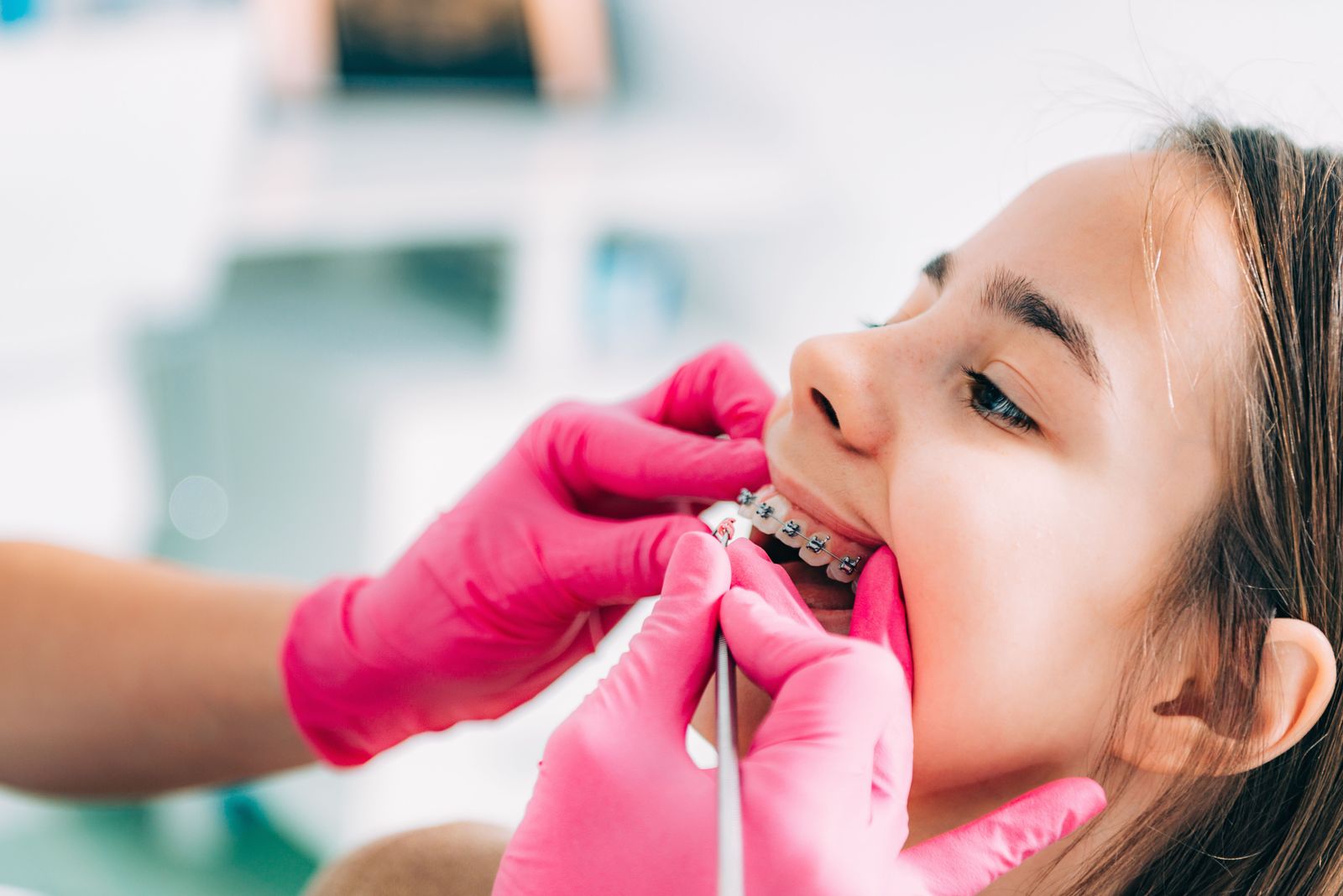
- Partial braces for selected teeth to fix early crowding or rotations.
- Space maintainers to hold room after the early loss of a baby tooth.
- Functional appliances like special plates to guide lower jaw growth.
- Habit appliances to reduce thumb sucking or tongue thrusting.
We walk parents through each option, show models or photos, and explain what treatment looks like day to day.
Step 3: Active Treatment And Regular Visits
Treatment visits are usually every four to eight weeks. The orthodontist checks progress, adjusts appliances, and encourages your child. This treatment is a partnership where our team handles the clinical work and parents support the progress from home.
Why Early Intervention Sets Kids Up For Success
For many kids, early treatment changes long-term outcomes for the better.
Health Benefits Beyond Straight Teeth
Phase 1 orthodontics improves how the jaws grow and how your child uses their mouth every day. Early treatment supports:
- Stronger, more stable bites that improve chewing function.
- Lower risk of front tooth injury in kids with a significant overjet.
- Better jaw joint comfort through balanced forces.
- Improved nasal breathing when narrow arches are widened.
Confidence And Social Comfort
Often, kids know when their smile looks different. We often see a child’s confidence grow as their smile improves, giving them the courage to speak up in class and try new things.
Shorter, Easier Treatment In The Teen Years
Think of Phase 1 as clearing the path so Phase 2 can finish the details. With early intervention, we can create space for adult teeth, correct significant skeletal issues, and reduce the need for extractions or future jaw surgery in many cases.
The ‘Resting’ Period: What Happens Between Phases?
After the active part of Phase 1 treatment is complete, your child enters an important observation period. This isn’t a break from care, but a less intensive phase of monitoring. During this time, the orthodontist tracks how the permanent teeth erupt into the newly created space.
Often, a child will wear a retainer to maintain the corrections achieved, ensuring the jaw doesn’t regress. This resting phase can last for several years. The goal is to allow natural growth to continue under professional guidance. This supervision helps determine the exact need and timing for Phase 2, which focuses on aligning all permanent teeth for the final, ideal bite. Not every child needs Phase 2, but this observation stage ensures that if they do, the treatment is simpler and more effective.
What To Expect When You Visit a Kids Dentist in Calgary
Children need a different style of care. A kids dental clinic in Calgary is specifically designed for them, with playful waiting rooms and staff who use simple words to build trust.
Growth-Focused Care
A pediatric dentist in Calgary does more than check for cavities; they track growth patterns over years. This long-term view allows them to spot jaw trends early and recommend treatment at the optimal time.
Teamwork
The best outcomes happen with a coordinated dental team. When your general dentist, pediatric dentist, and orthodontist are all on the same page, your child gets a unified plan.
How Parents Support Success At Home
Parents are at the center of Phase 1 orthodontics. Your support is crucial for success. This includes helping with diligent daily brushing and flossing, especially around any brackets or wires.
It’s also important to manage their diet by avoiding hard, sticky, or chewy foods like hard candies, caramel, and popcorn, which can damage appliances. Instead, opt for softer snacks.
These small habits make a huge difference in keeping treatment on track and preventing emergency visits for repairs. Staying involved in their progress will also help your child feel positive about the experience.
Choosing The Right Provider
You want a team that specializes in pediatric orthodontics. When you visit a provider for an early assessment, here are a few questions to ask:
- How much experience do you have with Phase 1 orthodontics?
- How do you track growth and changes over time?
- What are your preferred treatment options for early cases, and why?
- How do you support anxious or sensitive children?
- How do you coordinate with our regular dentist?
Clear, confident answers show you that your child is in strong hands. Because Phase 1 involves regular visits, choosing a local clinic can also make appointments more manageable.
Conclusion: Early Orthodontics Builds Strong Futures
Phase 1 orthodontics isn’t about rushing kids into braces. It’s about guiding growth at the right time so small issues don’t become bigger problems. At Calgary Smiles, our approach is built on this very principle of preventative, tailored care for every child’s unique needs. We believe in creating positive dental experience. Our clinic is even designed specifically for children, with an arcade and iPads to help even anxious kids feel at ease during their first assessment.
If you’re starting to wonder about your child’s bite, take the first step. Book an appointment with our kids dentist in Calgary today, and let’s build a strong foundation for your child’s lifelong oral health together.
FAQs About Phase 1 Orthodontics
What age is best to start Phase 1 orthodontics?
We recommend an orthodontic screening around age seven. This doesn’t mean every child starts treatment then, but it gives us a clear view of their growth patterns so we can suggest the best timing.
Does every child need Phase 1 orthodontics?
No. The initial assessment tells us which path makes the most sense for your child.
How long does Phase 1 treatment take?
Most Phase 1 treatments last 9 to 18 months, followed by a rest and observation phase.
Is early orthodontic treatment painful for kids?
Children may feel some pressure or mild soreness after an adjustment. Our team uses gentle techniques and kid-friendly communication to ensure comfort. Most kids adapt quickly.